Cuba’s National Assembly of People’s Power has approved its most sweeping package of market reforms in more than half a century. The island, once the showcase of communism in the Western Hemisphere, will legalize private commercial banks, open an official foreign exchange market, and completely phase out the system of universal state subsidies that sustained everyday life for generations of Cubans. The island’s centrally planned socialist system, established by Fidel Castro in 1959, has been on life support for most of its existence — first in the form of Soviet subsidies, then of aid from Venezuela and Russia. It has now been definitively acknowledged as no longer viable.
- 1.The deepest crisis since the 1990s
- 2.The fallen sponsors of socialist “greatness”: the Soviet Union, Venezuela, and Russia
- 3.What will change in Cuba's economy
- 4.“Socialism with a twist” or crony capitalism?
- 5.How Marco Rubio's personal views are shaping U.S. policy toward Cuba
- 6.How Cuba's authorities are trying to repair relations with the outside world
- 7.Has Cuba passed the point of no return?
The deepest crisis since the 1990s
The Cuban leadership did not embrace reform because of a sudden ideological shift. Instead, Havana was backed into a corner by the harsh reality that the island was left to face catastrophe on its own after losing the support of its principal foreign backers.
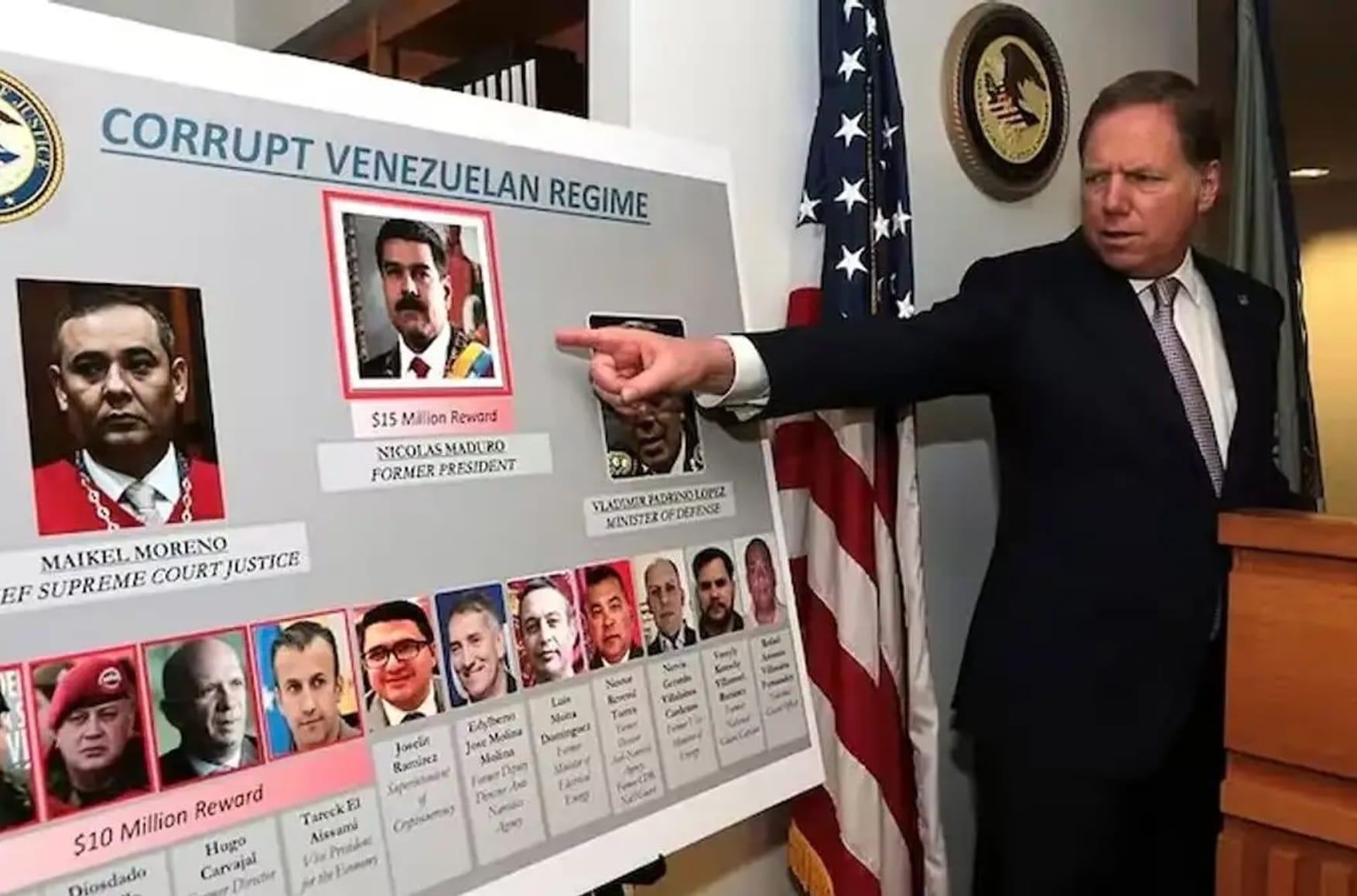
A major blow came early this year with the U.S. operation in Caracas that saw Venezuelan President Nicolás Maduro ferried to New York to stand trial. The dictator’s demise completely paralyzed deliveries of subsidized Venezuelan oil to Cuba at a time when the ongoing U.S. oil blockade of the island has effectively prevented the country from importing any fuel at all.
On top of that, in early June the country’s central bank was forced to suspend all transactions using international Visa and Mastercard cards after an unnamed foreign banking partner unilaterally severed ties with the Cuban financial operator Fincimex, which is part of the sanctioned military conglomerate GAESA. The trigger was an executive order issued by Donald Trump that made further processing of Cuban transactions illegal for international financial institutions. As a result, Havana lost the ability to legally accept cashless payments from foreign tourists.
At the same time, as Russia struggles to cope with deep economic problems of its own, Moscow is no longer able to provide Cuba with assistance on the same scale as before. Having lost the backing of its two most important foreign partners, the Cuban regime came to a simple realization: the only way to remain in power is to immediately let capital into the country.
The Cuban regime came to a simple realization: its foreign benefactors are gone, and the only way to remain in power is to let capital into the country
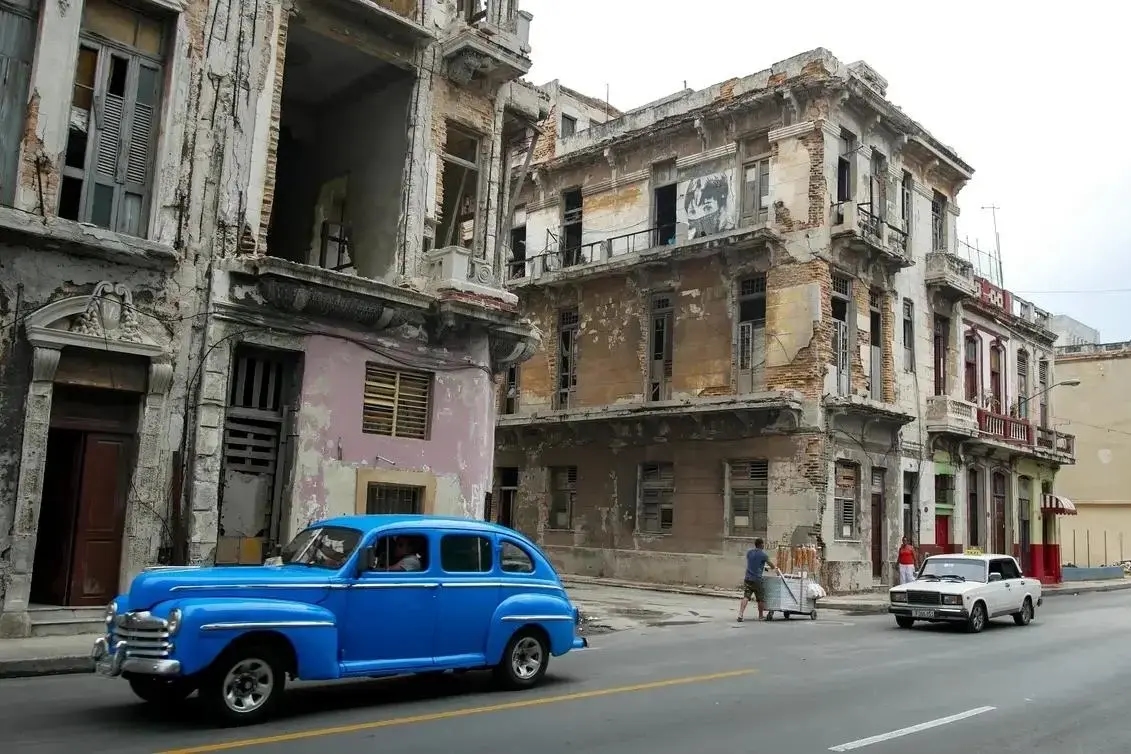
Cuba is facing its deepest crisis since the so-called “Special Period” of the 1990s that followed from the collapse of the Soviet Union. In many respects, however, the current situation is even worse. The island's national power grid has all but collapsed, and routine daily blackouts are paralyzing businesses and households alike. Basic food staples have disappeared entirely from the shelves of state-run stores. And the suspension of garbage collection — due to gasoline shortages — has triggered outbreaks of dengue and chikungunya at a moment when even the most basic medications have become nearly impossible to find in pharmacies.
The economic despair has fueled an unprecedented wave of emigration, particularly of working-age and skilled citizens. According to Cuban demographer Juan Carlos Albizu-Campos, about 2.75 million people have left the country since 2020.
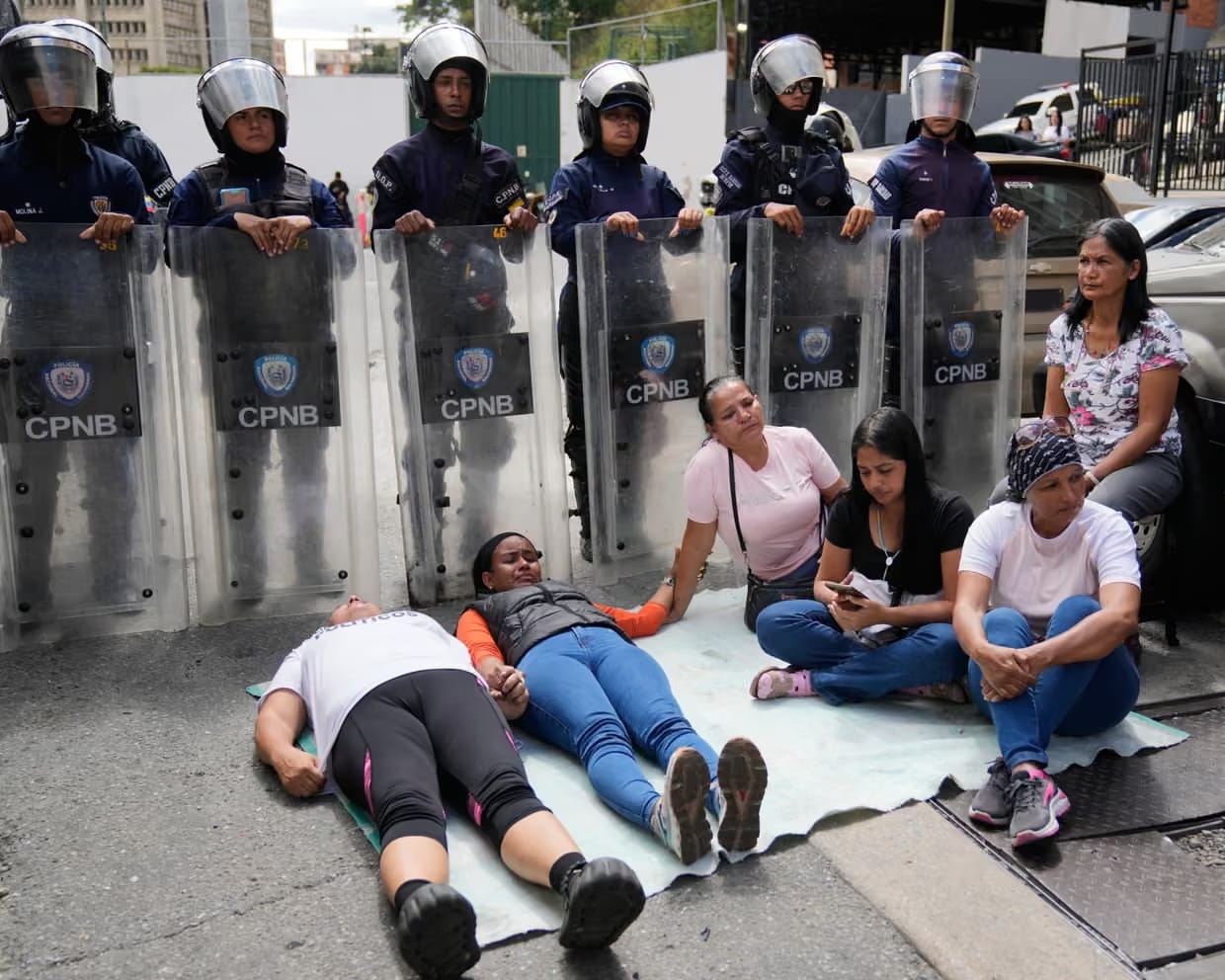
The deepening crisis has also sparked the largest wave of public unrest in Cuba since the revolution, with large crowds taking to the streets of Havana and other cities in both March and May. The authorities responded with familiar authoritarian methods, using force to suppress demonstrations and detain demonstrators. Some activists remain behind bars to this day.
The fallen sponsors of socialist “greatness”: the Soviet Union, Venezuela, and Russia
Cuba's post-revolutionary economic model, established after 1959, was built on massive foreign subsidies. First the Soviet Union, then Venezuela and Russia covered Havana's basic economic needs in exchange for geopolitical loyalty.
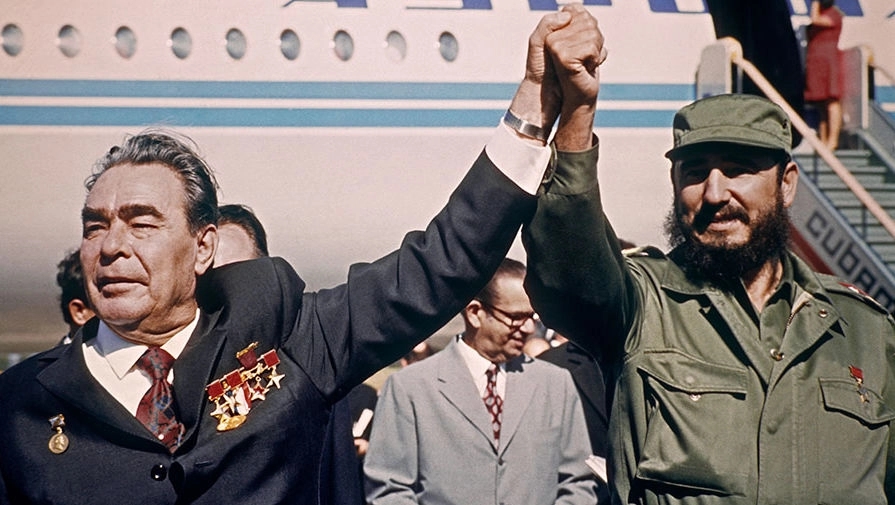
The Soviet Union supported Cuba through a system of artificially favorable trade arrangements within the framework of the Council for Mutual Economic Assistance (Comecon). Moscow purchased Cuban sugar and nickel at prices several times higher than those on the world market, effectively transferring billions of dollars to the island. At the height of Soviet-Cuban cooperation in the 1980s, Soviet subsidies accounted for more than 20% of Cuba's real GDP, concealing the deep structural weaknesses of the centrally planned economy.
The cornerstone of Soviet assistance was oil. The USSR not only met all of Havana's fuel needs at exceptionally low prices, but also granted Cuba a unique contractual privilege: the island was allowed to legally resell surplus Soviet crude on the world market for hard currency, generating as much as 40% of the Cuban government's total dollar revenues.
After the collapse of the Soviet Union and the euphemistically named “Special Period” of the 1990s, Cuba found a new lifeline in Venezuela’s Hugo Chávez, who struck a barter deal with Havana: subsidized oil in exchange for Cuban professionals, primarily doctors and teachers. For years, this arrangement served as the island's main energy lifeline, but the U.S. blockade of oil shipments effectively brought that assistance to an end.
For many years, Cuba's export of medical services to Venezuela and other Latin American countries was also a major source of hard currency for Havana. Venezuela paid generously for the work of Cuban doctors, helping to offset Havana’s budget deficit. Under pressure from Washington, however, many countries have begun winding down Cuban medical missions.
Russia has effectively forgiven Cuba's Soviet-era debt, writing off around 90% of the island's massive obligations to the USSR — more than $30 billion. As for the remaining commercial and government loans, which Cuba has repeatedly been unable to repay because of its insolvency, Russia has consistently agreed to restructure them. It has also repeatedly extended repayment deadlines by years, allowing its ally to avoid being formally declared to be in default.
In recent years, Russia has remained one of the Cuban regime's principal external lifelines, trying to prevent the island's complete economic collapse through emergency assistance. When the devastating Hurricanes Oscar and Rafael struck Cuba in the fall of 2024, delivering a final blow to the island's power grid, the Russian government allocated $62 million to purchase and urgently ship 80,000 metric tons of diesel fuel, along with specialized equipment needed to repair power plants.
After disruptions to oil supplies from Venezuela and Mexico, Russia assumed the role of Cuba's leading hydrocarbon supplier. Russian Foreign Minister Sergey Lavrov has also confirmed that Moscow regularly extends state loans to Cuba for the purchase of Russian crude oil and petroleum products. For example, in February 2025, Russia shipped 100,000 metric tons of crude oil to Cuba under a $60 million government credit facility.
Russia assumed the role of Cuba's leading hydrocarbon supplier
To reduce Havana's dependence on imports, Russian companies also helped Cuba develop its domestic energy resources. On Jan. 1, 2025, Russia launched commercial operations under a joint project at the Boca de Jaruco oil field near Havana, using Russian technology to boost the production of Cuba's heavy crude oil.
At the beginning of 2026, as Cuba's fuel shortage reached a critical level, the Russian Embassy in Havana announced preparations for new emergency deliveries of crude oil and petroleum products. The Russian tanker Anatoly Kolodkin delivered about 700,000 barrels of Urals crude, breaking through the U.S. energy blockade under the guise that it was delivering humanitarian assistance. That shipment remains the only Russian oil delivery to Cuba so far this year.
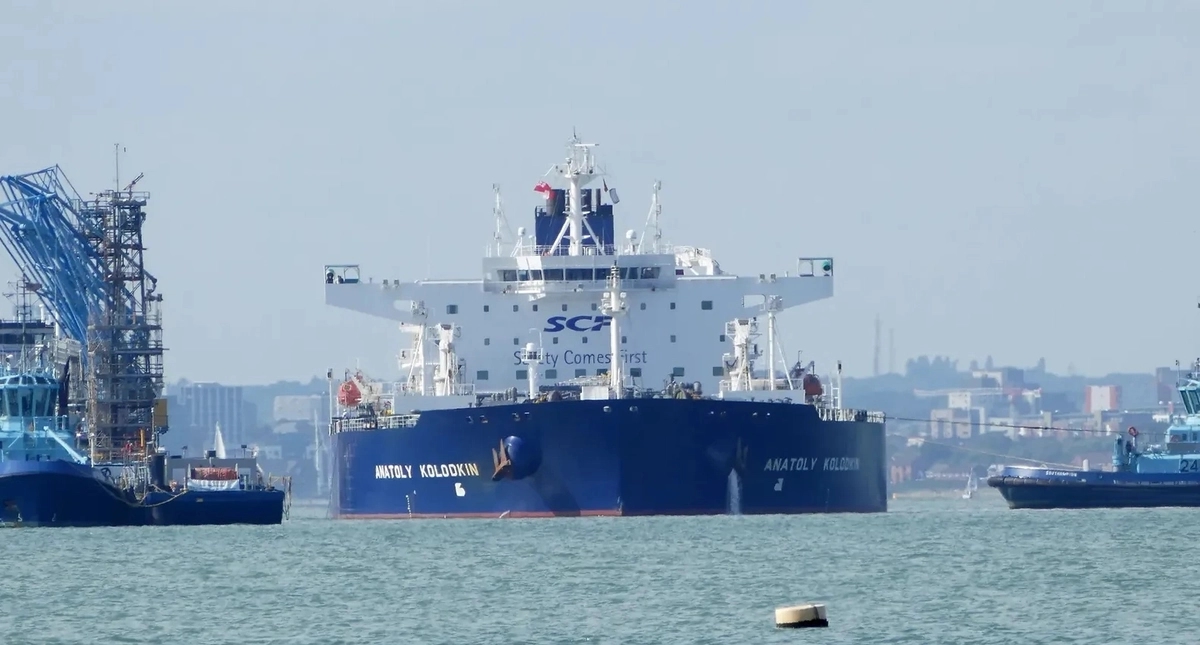
The paradox is that even if oil tankers had consistently reached their destination, Russian supplies would only have spared Cuba from the immediate shutdown of its remaining thermal power plants, without resolving the island's systemic crisis. A shipment of 100,000 metric tons is enough to sustain Cuba for an average of just 20 days, which is why the Cuban authorities were forced to announce a sweeping capitalist reform program.
For Russia, which supported Cuba for decades as part of its geopolitical rivalry with the United States, the development offers an important lesson: the era of ideological alliances built on “solidarity against the West” has come to an end. Without sustained economic support, such a model of cooperation is no longer viable.
What will change in Cuba's economy
The reforms affect three fundamental areas: the banking system, foreign exchange regulation, and the state's social obligations.
For the first time in more than 60 years, Cuba will allow the creation of private commercial banks. Until now, all financial flows, lending, and savings had been tightly controlled by the Central Bank of Cuba and other state institutions. Opening the sector to private capital means that Cuba's new entrepreneurs — the so-called “Mipymes” (small and medium-sized enterprises) — will be able to obtain independent financing, open bank accounts, and conduct full-fledged commercial activities without direct control from the central planning authorities.
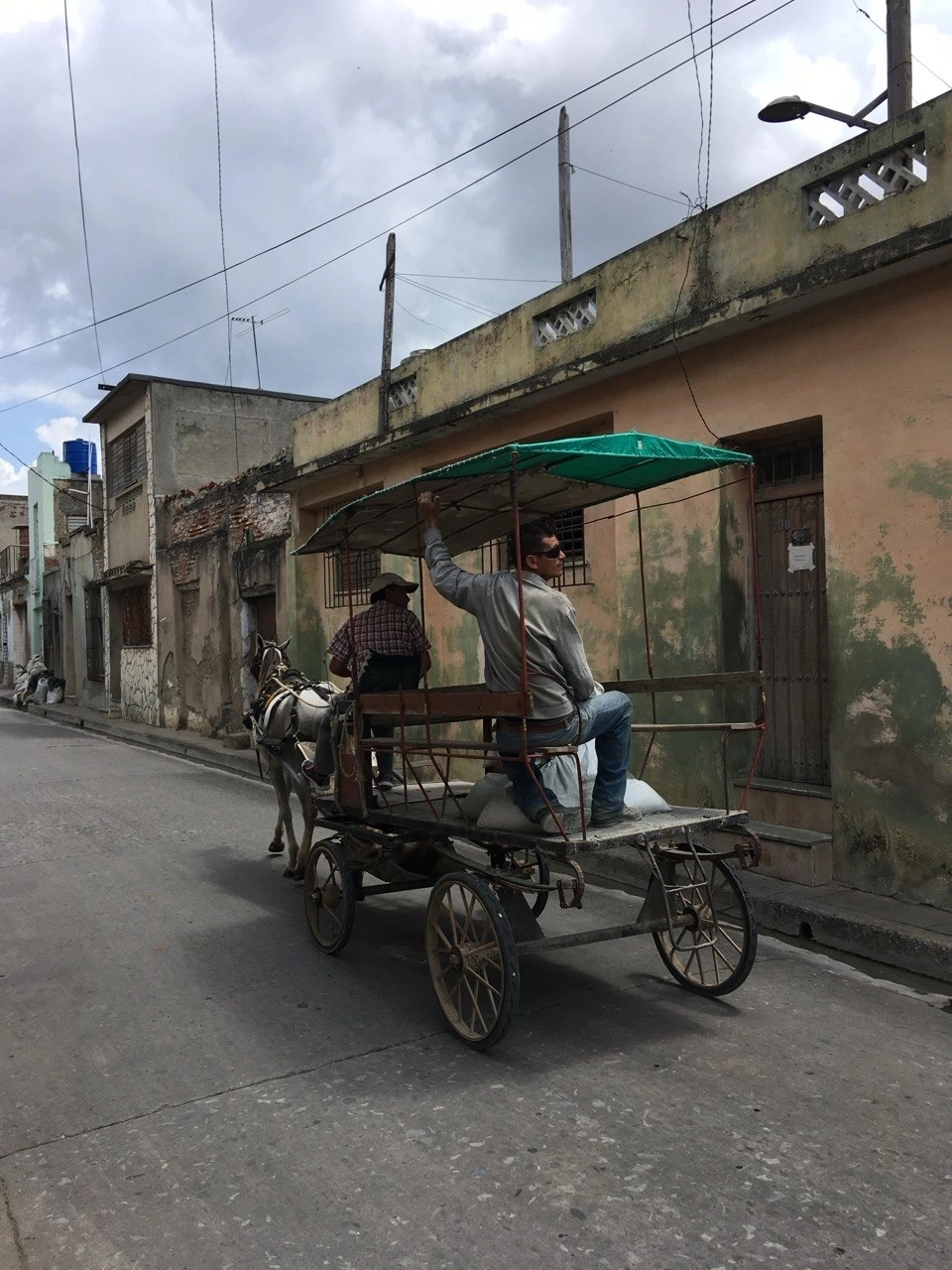
For years, the Cuban government tried to maintain an artificially overvalued official exchange rate for the Cuban peso. The result was the emergence of a vast black market where the real exchange rate for the U.S. dollar exceeded the official rate many times over. The reforms legalize a free foreign exchange market, meaning the authorities have effectively acknowledged defeat in their battle against street currency traders.
Perhaps the most painful measure for the population will be the dismantling of the system of universal state subsidies. For decades, every Cuban was entitled to a guaranteed minimum supply of food, utilities, and public transportation at symbolic, state-subsidized prices.
Now the country is shifting to a market-based model: instead of subsidizing goods, the government will provide assistance only to low-income people, who will be required to regularly renew their eligibility in order to continue receiving social support. For millions of Cubans, this will mean a sharp increase in the prices of basic necessities.
“Socialism with a twist” or crony capitalism?
Cuba's state media insist that the new legislation does not represent a surrender to capitalism but rather “socialism with a Cuban twist,” and government officials say that the most critical sectors of the economy will remain under state control. Independent analysts and critics of the regime, however, take a far more cynical view, describing the changes as the emergence of crony capitalism. In their view, the principal beneficiaries of the reforms will not be ordinary Cubans but the country's senior apparatchiks and military elite.
A large share of Cuba's most profitable industries — tourism in particular — is controlled by a powerful military conglomerate. Critics fear that the legalization of private banks and large-scale investment will allow generals and their families to legitimize their shadow wealth, transforming themselves from party officials into full-fledged oligarchs. For Russians who lived through the privatizations of the 1990s, the pattern looks unsettlingly familiar.
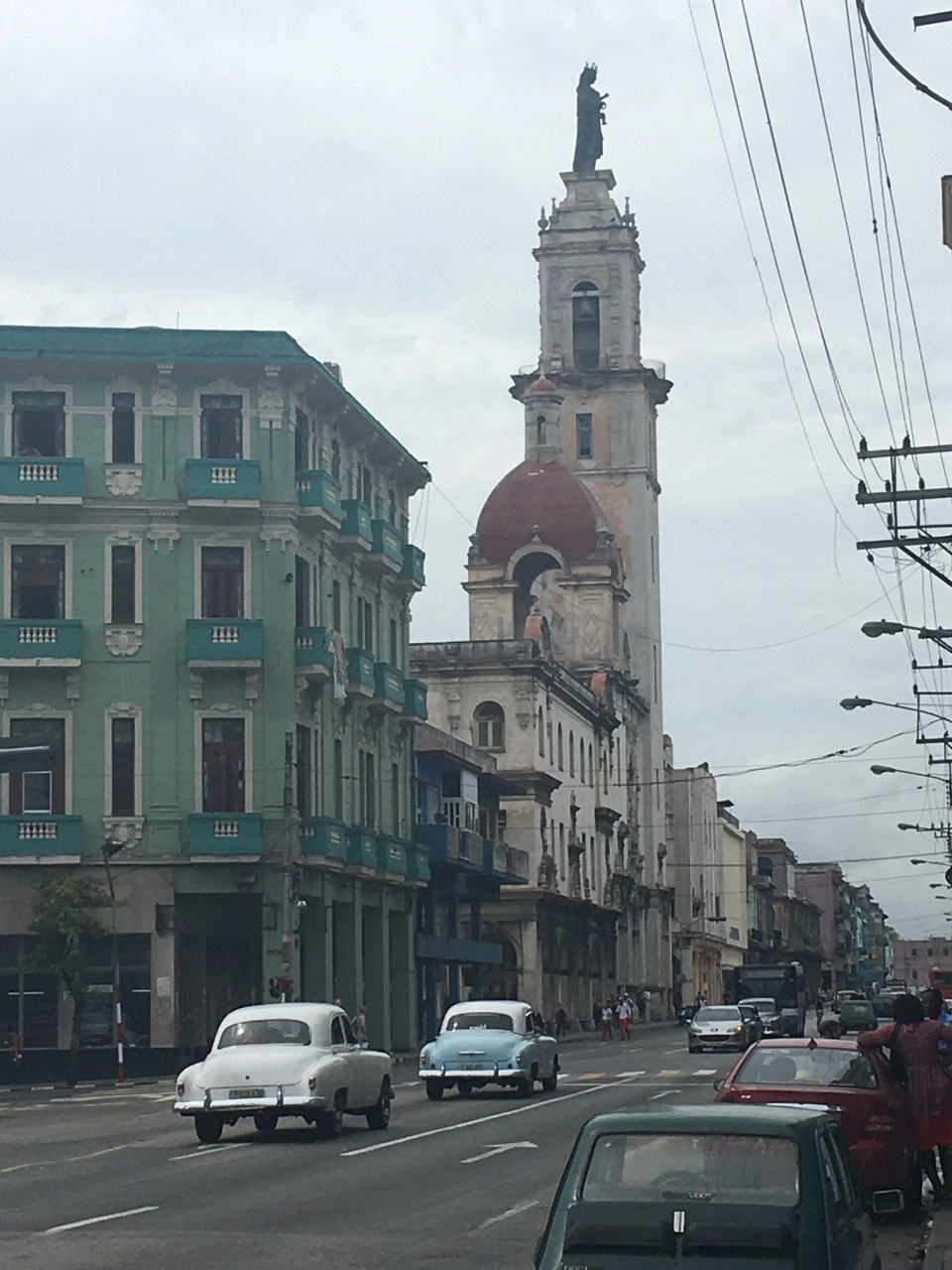
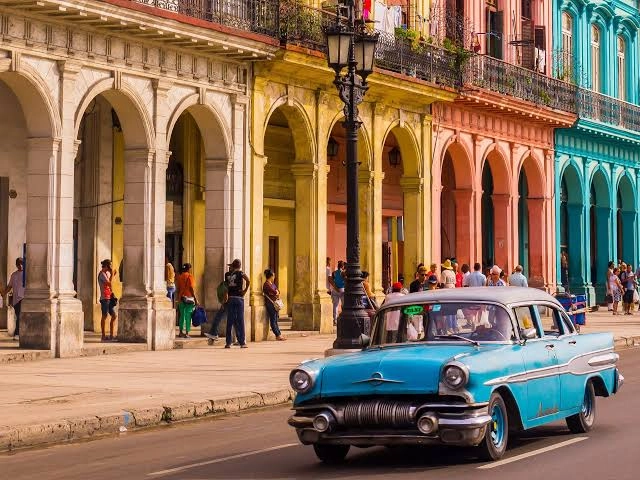
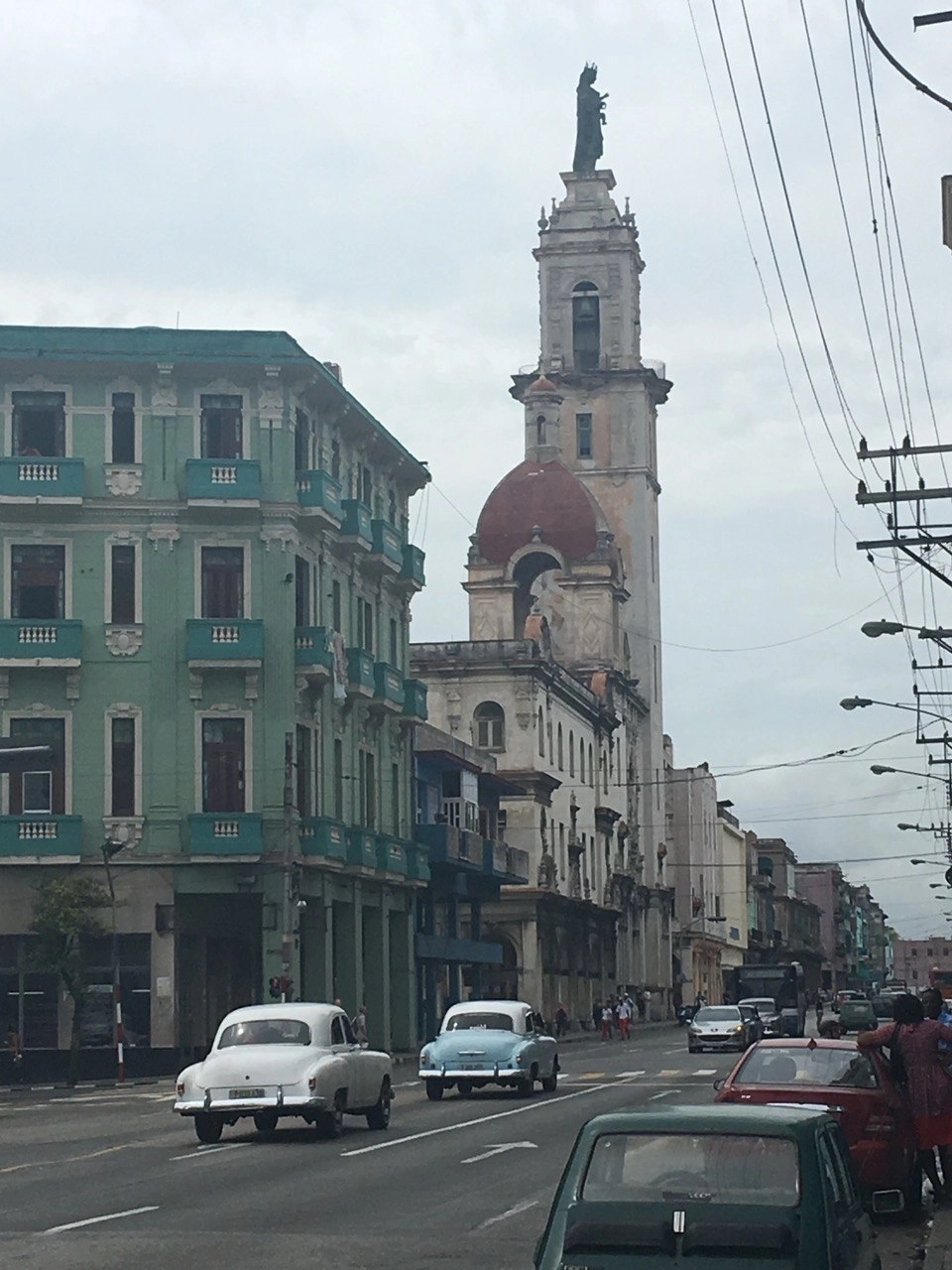
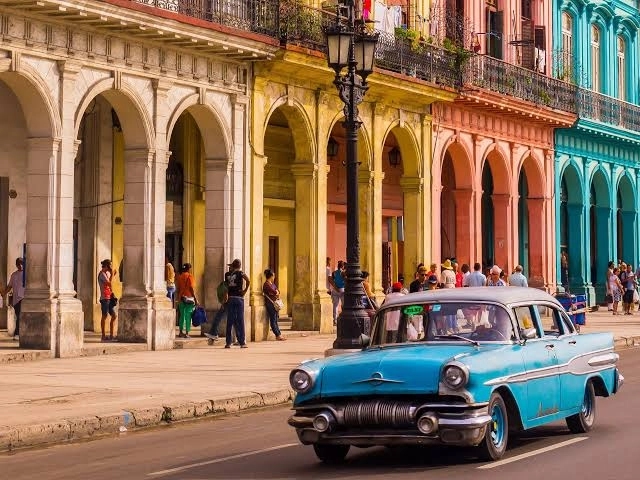
One way or another, the reforms are bound to bring about tectonic shifts in Cuba's social structure. For decades, equality in poverty served as the regime's unwritten social contract with the population. In return for meager incomes, the state guaranteed free healthcare and education, plus inexpensive food. With the transition to a market economy, that model is coming to an end.
In return for meager incomes, the state guaranteed free healthcare, education, and inexpensive food
Cuban society is splitting into two increasingly unequal groups. On one side will be Cubans with access to hard currency: owners of private cafés, hotels, and auto repair shops, as well as those who receive regular dollar remittances from relatives in Miami. They will be able to afford goods sold in the new commercial stores and services provided by private banks.
On the other side will be millions of Cubans who remain dependent on the state: teachers, doctors, public-sector engineers, and retirees whose salaries and pensions are paid in steadily depreciating pesos. The abolition of universal consumer subsidies, combined with high inflation, is pushing them to the brink of poverty, and the targeted assistance promised by the government is unlikely to offset the real increase in the cost of living.
How Marco Rubio's personal views are shaping U.S. policy toward Cuba
Cuban officials argue that the reforms are being implemented under an American “stranglehold.” The Trump administration has steadily pursued a policy of maximum pressure on Havana, seeking to cut off the island's access to foreign currency as completely as possible. Washington continues to designate Cuba as a state sponsor of terrorism, effectively shutting it out of the international banking system and depriving it of access to conventional financing. U.S. sanctions have also hit the tourism industry, as they penalize foreign companies for doing business on the island.
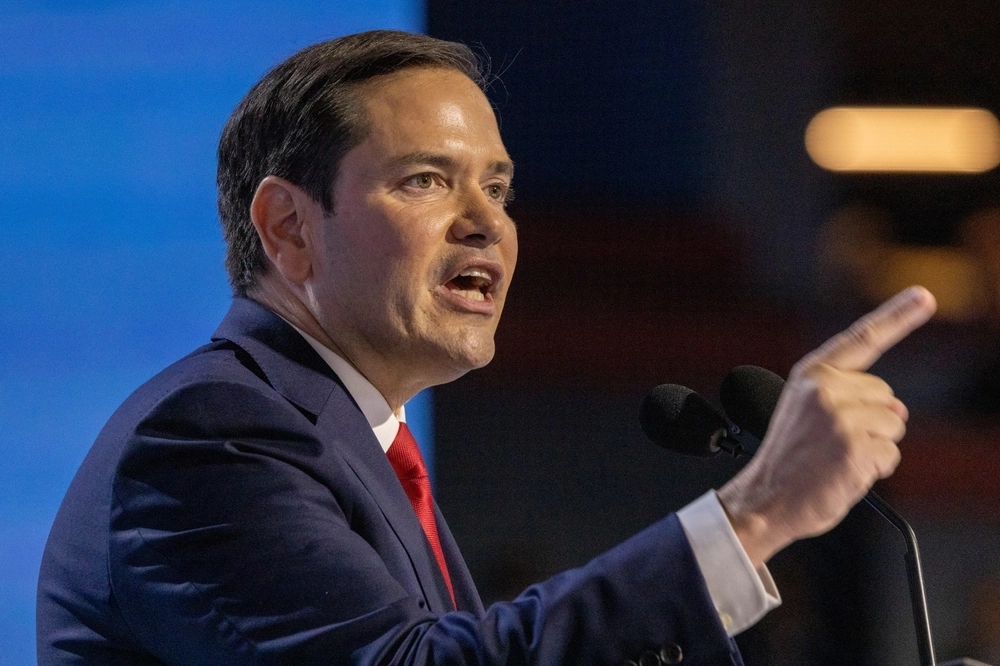
The chief architect of this policy is Secretary of State Marco Rubio. As the son of Cuban immigrants who fled to Miami, Rubio was raised by his grandfather in an atmosphere of staunch anti-communism and deep hostility toward Fidel Castro's regime. For Rubio, the Cuban issue is not merely another geopolitical challenge but a deeply personal family vendetta.
For Marco Rubio, the Cuban issue is a deeply personal family vendetta
After building his political career in Florida, the center of the Cuban diaspora in the United States, Rubio quickly became the leading voice for émigrés demanding that Washington pursue only the toughest possible measures against Havana. As a senator, he consistently opposed any attempts at dialogue and was one of the fiercest critics of Barack Obama's policy of rapprochement with Cuba, dismissing it as “appeasement of dictators.” He later emerged as a principal architect of the hardline sanctions adopted during Trump's first administration.
On his Truth Social platform, Trump responded to a meme suggesting that Marco Rubio could become president of Cuba, writing, “Sounds good.” The U.S. president appears to have given his secretary of state broad latitude to wage an uncompromising economic war against Havana until the Cuban government capitulates and begins dismantling its political system.
How Cuba's authorities are trying to repair relations with the outside world
Against the backdrop of a severe economic crisis and an oil blockade, Havana is attempting to use participants in anti-government protests as bargaining chips in its negotiations with Washington. According to Prisoners Defenders, the number of political prisoners in Cuba is in excess of 1,200.
In June, the Cuban authorities released 16-year-old Jonathan David Muir, officially the youngest political prisoner held by the Castro regime. The teenager had been detained by Cuban law enforcement in March 2026 and imprisoned for expressing his opposition to the government's actions. Muir's release is intended primarily as a signal to the European Union and moderate political circles in the United States that Havana is prepared to make limited concessions and pursue a selective political thaw in exchange for economic cooperation and a relaxation of its financial isolation. In April, the Cuban authorities began a large-scale amnesty covering more than 2,000 prisoners as part of an effort to secure some relief from sanctions by easing tensions with the United States.
Havana is prepared to make limited concessions and pursue a selective political thaw in exchange for economic cooperation
Despite these moves, exchanging the release of political prisoners for guarantees of the regime's survival is unlikely to be acceptable to Trump and Rubio. The U.S. State Department has stated that the prospects for resolving the crisis through negotiations are extremely slim, arguing that America’s ultimate objective is the complete dismantling of Cuba's communist system. Washington is expected to continue welcoming the release of dissidents but will likely present the fact of their freedom as evidence that sanctions are working, while maintaining pressure on Havana until the ruling elite capitulates.
Has Cuba passed the point of no return?
The central question facing analysts of Cuban politics is whether these reforms are capable of preserving the current system in something that at least resembles its current form. Expert reports, including publications by analyst Tamarys L. Bahamonde for CEDA, argue that the Cuban leadership is trying to strike a fragile balance between maintaining tight political control and allowing greater market freedom. The authorities hope that by giving people the opportunity to earn money and start businesses, they can reduce social tensions and ease public discontent.
History, however, suggests that economic freedoms inevitably generate demands for political freedoms. The emergence of a legal private sector is creating a class of economically independent people who no longer depend on the state for their jobs or basic provisions. Sooner or later, this group is likely to demand an independent judiciary capable of protecting property rights, along with a greater role in governing the country.
Cuba is demonstrating that the laws of economics cannot be defied indefinitely, no matter how fervent the revolutionary rhetoric or how powerful the repressive apparatus. Faced with the prospect of economic collapse and the loss of power, the communist leadership in Havana has embraced the very path it once denounced, opening the door to private banks and a free market.