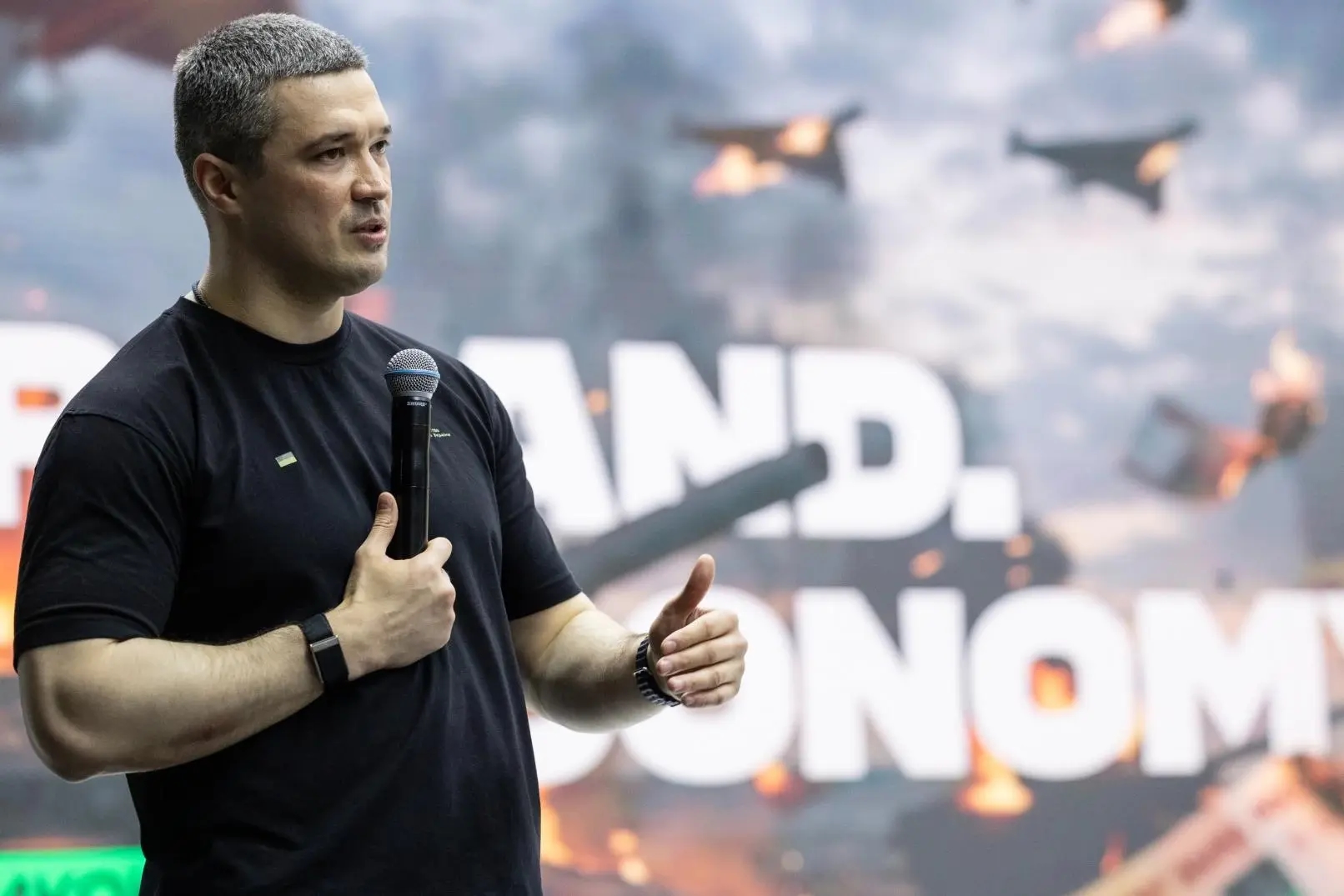
The resignation of Ukrainian prime minister Yulia Svyrydenko initially failed to stir strong emotions. Several weeks before the official announcement, journalists had already reported that the cabinet was “serving out its final weeks.” Officials who had long worked with the prime minister noticed as early as the beginning of the summer that she had become increasingly reluctant to launch projects with a long planning horizon and was no longer confident she would remain at the head of the government through the fall. What came as a surprise was not the resignation itself, but its key political consequences — above all, the controversy surrounding the dismissal of Defense Minister Mykhailo Fedorov, which triggered public protests. Fedorov’s removal may have been an attempt to prevent the military from emerging as an independent center of political power, argues Ukrainian analyst Georgy Chizhov. Whatever the motivation, the maneuver proved counterproductive: by his own hand, Zelensky lit a new star on Ukraine's political horizon while simultaneously losing one of the most valuable members of his team.
An overdue reshuffle
There had been plenty of objective reasons to replace Ukraine's government. A year after Yulia Svyrydenko’s appointment as prime minister, the cabinet had still not been fully staffed, with the posts of minister of digital transformation and minister of justice remaining vacant. For months, there had also been discussions about replacing several other ministers, creating the impression that no one intended to complete the cabinet's formation because a more sweeping transformation lay ahead.
Indeed, the political landscape changed fundamentally over the past year. Many saw Svyrydenko's appointment last July as the handiwork of Andriy Yermak, who at the time was considered nearly all-powerful. The Presidential Office, which Yermak headed, functioned as a shadow government, setting most of the agenda for ministers, while the cabinet itself fit seamlessly into a unified chain of decision-making. The prime minister's lack of sufficient political weight and institutional autonomy was viewed more as an asset than a liability among the top members of Zelensky’s team.
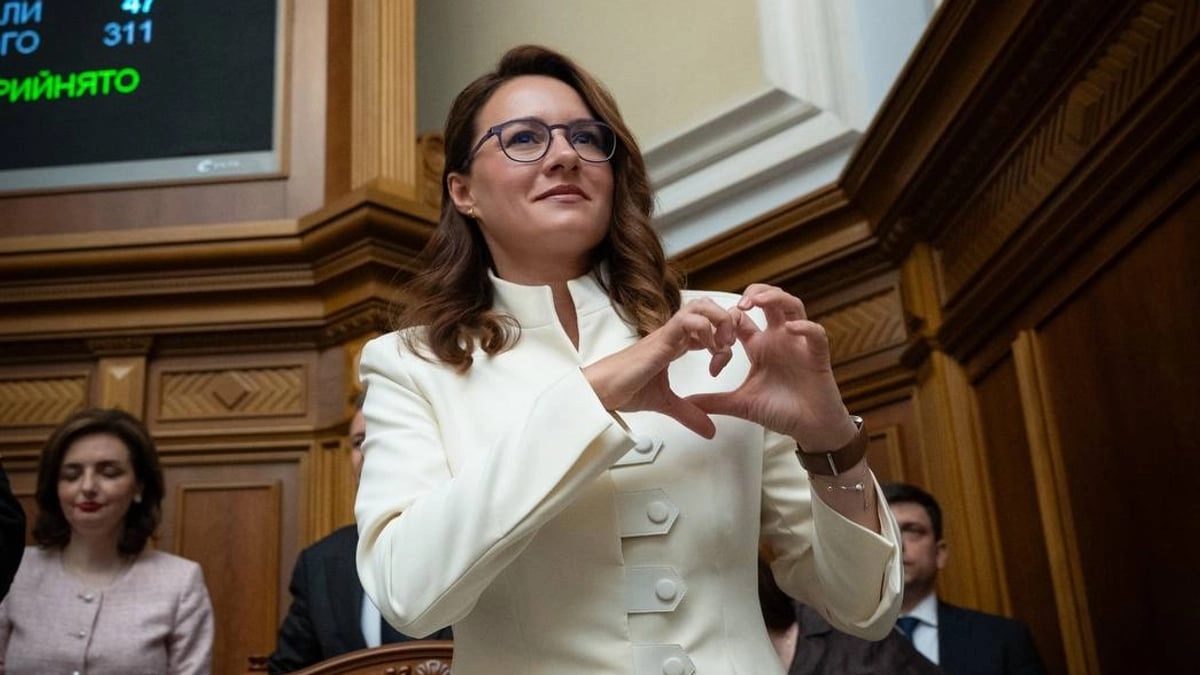
This was not a reflection of Svyrydenko's professional abilities. As prime minister, she demonstrated unquestionable competence, yet she never became a major political player. She failed to build her own base of support in parliament, did not assemble a political team of her own, and acquiesced to the reality that most key decisions would continue to be made in the presidential offices on Bankova Street.
Svyrydenko could stand in for Zelensky at the head of an economic delegation, but Ukraine's partners did not view her as the country's political leader
The limits of the prime minister's political agency became most apparent at the recent Ukraine Recovery Conference in Gdańsk. After the Polish president's demarche, Volodymyr Zelensky declined to attend the event, and Svyrydenko led the Ukrainian delegation instead. She held dozens of meetings, addressed plenary sessions, and discussed investment, energy, and infrastructure reconstruction — flawlessly performing her role as Ukraine's chief economic negotiator.
At the same time, Gdańsk was hosting a summit of the EU and NATO's eastern flank countries focused on security and continued support for Ukraine. Svyrydenko did not attend that gathering. She could replace the president at the head of an economic delegation, but Ukraine's partners did not regard her as the country's political leader. That is why the theory that Zelensky needed a prime minister with greater political stature seemed entirely plausible.
A controversial replacement
The name of the new prime minister was announced almost immediately: Serhii Koretskyi, one of Ukraine's most successful corporate executives of recent years, first managing a major company then building a successful business of his own before delivering impressive results at the helm of the nationalized oil company Ukrnafta. Most recently, Koretskyi led Naftogaz through a period of near-daily Russian strikes on the country's energy infrastructure. The only thing missing from this remarkable résumé was any involvement in real politics.
In Ukraine's constitutional parliamentary-presidential system, the head of government is, in practice, expected to be a political leader. Unfortunately, in this respect Koretskyi is no different from Svyrydenko: both are technocratic managers with no political background, electoral base, or meaningful support of their own in parliament.
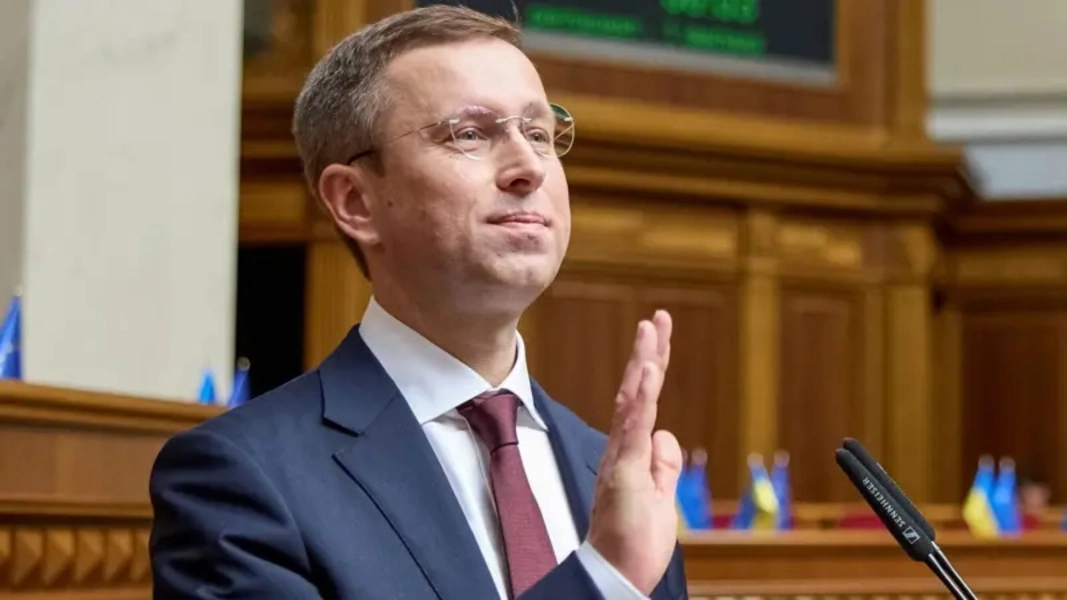
One other consideration might help explain why Svyrydenko was replaced by Koretskyi. Since few doubt that Russia will continue trying to destroy Ukraine's power generation, gas production, and fuel infrastructure before the onset of cold weather, it would make sense to give broad authority to a specialist from the energy sector. The problem with that explanation is that the government already has such a person: Energy Minister Denys Shmyhal, who now serves as first deputy prime minister after five years at the head of the Cabinet of Ministers. In short, these sweeping reshuffles were not conceived as preparations for a difficult winter.
Goodbye, America!
Following his final meeting with Svyrydenko as prime minister, Zelensky unexpectedly turned to foreign policy priorities while announcing the upcoming personnel changes. Indeed, Ukraine's international environment has shifted noticeably in recent months. Relations with the United States have begun to recover, while problems have emerged with Poland. Hungary has changed its position, yet it remains a difficult partner.
At the same time, reports emerged that Ukraine's ambassador to the United States, Olha Stefanishyna, wanted to leave the diplomatic service. Media outlets also reported that Ukraine's National Anti-Corruption Bureau (NABU) was considering notifying her that she was under suspicion over “matters from the distant past” — a development that would have made her a toxic choice in Washington.
That is why Zelensky's remark, “I am grateful to Yulia…and have proposed that she lead a new important area in relations with our key partner,” was widely interpreted as an announcement that the outgoing prime minister would become Ukraine's ambassador to the United States. Such a decision appeared entirely logical.
Over the past year, Svyrydenko has become one of Ukraine's principal negotiators with the U.S. administration, taking part in discussions on the minerals agreement while earning a reputation as a calm and highly professional negotiator.
It seemed that the pieces of the puzzle had finally fallen into place: the reason for the reshuffle was that Ukraine needed a strong representative in the United States
It appeared that the puzzle had finally come together and the logic behind the reshuffle had become clear: the prime minister had gained the international experience required for a new role, and Ukraine needed a strong representative in the United States. But at that very moment, the entire edifice suddenly collapsed — journalists learned that Svyrydenko had declined the offer to head Ukraine's embassy in Washington.
The resignation of the “minister of hope”
Many people initially refused to believe reports of Mykhailo Fedorov's dismissal. The public associated the young defense minister with positive changes on the battlefield, successful strikes deep behind Russian lines, reform of defense procurement, and efforts to resolve the issues of troop rotations, demobilization, and — above all — mobilization. Fedorov established direct contact with Elon Musk, and as a result Ukraine and SpaceX developed a mechanism to restrict the Russian military's use of Starlink terminals, significantly reducing the aggressor's drone capabilities.
Fedorov’s brief tenure should not be idealized. Members of parliament at times criticized him over the supply of troops, ammunition production, and unfulfilled promises. Even so, his critics generally did not deny that Fedorov represented a different model of public administration — one that was more technologically driven, faster-moving, and more willing to challenge the traditional military bureaucracy.
That may well have been what led to his swift dismissal. At a meeting with the parliamentary faction of the Servant of the People party, the president said that Fedorov had a long-standing conflict with Ukraine's commander-in-chief, Oleksandr Syrskyi. After his dismissal, the former minister himself confirmed that he had called for Syrskyi to be removed but had ultimately agreed to work with him. Many media outlets also noted that, by trying to make military procurement more transparent, Fedorov had made numerous enemies within the ministry and among defense contractors.
Parliament heads off on recess
While the replacement of the prime minister was met with little more than a shrug by Ukrainian society, the defense minister's dismissal triggered widespread protests. By various estimates, at least 1,500 people gathered outside the Presidential Office in Kyiv, while demonstrations were also held in Lviv and other cities. The protesters demanded that Fedorov be returned to the government and that Interior Minister Ihor Klymenko not be appointed to replace him.
The backlash was not confined to the streets. In protest, state-backed UNITED24 Media, which is closely linked to the presidential team, suspended publication of new content. Pavlo Elizarov, deputy commander of the Air Force, submitted his resignation from the Armed Forces of Ukraine. General Mykhailo Drapatyi, commander of the Joint Forces Grouping, publicly voiced his support for Fedorov. European Commissioner for Defence Andrius Kubilius also expressed bewilderment over the decision.
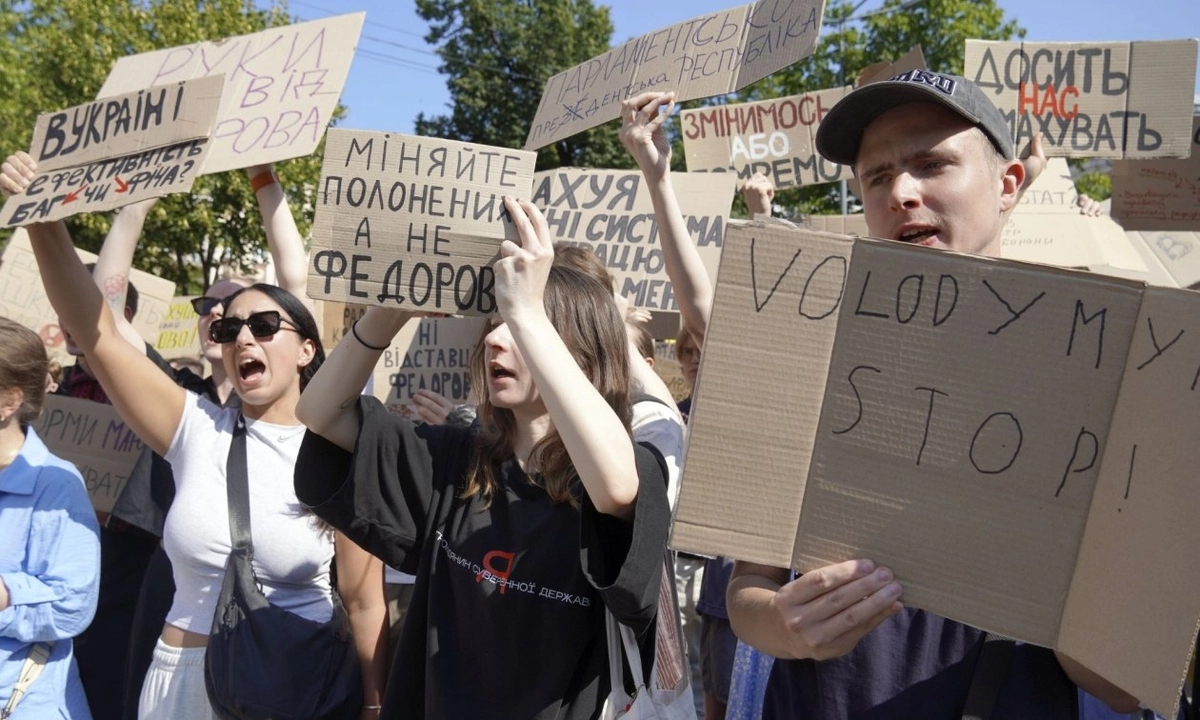
The president's response was swift. Zelensky said that he had heard the protesters and had not yet made a final decision on the appointment of a new defense minister. This appeared to be a significant departure from the original plan: just a day earlier, lawmakers from the pro-presidential parliamentary faction had confidently stated that Ihor Klymenko's nomination would be submitted for a vote together with the new composition of the Cabinet of Ministers.
The next “creative” move was the Verkhovna Rada's sudden decision to adjourn until August 18 without approving the so-called “presidential quota” appointments: the ministers of defense and foreign affairs, as well as the heads of the Security Service of Ukraine (SBU) and the Foreign Intelligence Service. Then, later that evening, Zelensky unexpectedly appointed Yevhen Khmara, a specialist in special operations with close ties to the front who had previously been serving as acting head of the SBU, as acting defense minister. It is unclear how long that “temporary” status might last.
Elections are approaching
As so often happens in Ukraine, the “clever plan” went awry. The attempt to hide Fedorov's dismissal amid a sweeping government reshuffle was quickly called out by the public, dealing yet another serious blow to the president's image.
But why did Zelensky decide to take such an obviously unpopular step in the first place? The semi-official explanation is that he had to choose between Fedorov and Syrskyi. That is plausible, but it does not explain the underlying motivation. The choice could just as easily have gone the other way: replacing Syrskyi would almost certainly have been welcomed by the public (regardless of the general's actual record), and potential successors to the commander-in-chief had repeatedly been discussed both in the media and among experts. The decision could also have been postponed indefinitely — after all, Fedorov had not presented the president with an ultimatum.
The attempt to bury the defense minister's dismissal within a sweeping government reshuffle was quickly recognized by the public and dealt a blow to the president's image
The president's reasoning may well have been driven by electoral considerations, as talk of a presidential election periodically resurfaces in wartime Ukraine. At the same time, Zelensky's best chance of securing a second term would come if the vote were held as soon as possible — immediately after a ceasefire or even under martial law (although the latter option remains unlikely due to legal and organizational constraints). In such a scenario, the incumbent president would need not only electoral support but also a predictable and tightly controlled system of government.
In 2019, a key guarantor of the security apparatus' neutrality was then-Interior Minister Arsen Avakov. Although he formally served in Petro Poroshenko's government, he made a point of preventing the authorities from exploiting their administrative advantages. As a result, Zelensky could be confident that the rules governing the campaign and the vote count would not be changed at the last minute in favor of the incumbent president.
The full-scale war has made it far more difficult to achieve such a balance of power. The most respected and combat-capable National Guard units subordinated under the Interior Ministry — above all Azov and Khartiia — have become political actors in their own right and are linked to influential military and political figures. Within Ukraine's military intelligence agency (HUR), the new chain of command has not yet fully taken shape following the change in leadership, while a significant number of officers remain loyal to Kyrylo Budanov. The Security Service of Ukraine (SBU), following the departure of Vasyl Maliuk, is also still headed by an acting chief, who has now additionally been reassigned to lead the Defense Ministry.
That leaves the Armed Forces — the country's largest security institution and the one that commands the highest level of public trust. General Syrskyi has shown no political ambitions and remains a far more predictable figure than many of the military's popular commanders. He may therefore serve as a guarantee that no independent center of influence will emerge within the security establishment. A system that remains under maximum presidential control gives the incumbent authorities greater room for maneuver.
The price of control
No matter how the political situation develops, Zelensky has made an extraordinarily risky decision. First, he has intervened in the very part of the state apparatus that was widely regarded as one of the government's greatest successes. Analysts around the world are not discussing the new prime minister — they are asking whether the personnel changes could derail the emerging trend of a military initiative shifting in Ukraine's favor.
Second, the president has, by his own hand, lit a new star on Ukraine's political horizon while simultaneously losing one of the most valuable members of his own team. The Presidential Office has been forced to acknowledge that Fedorov turned down several alternative positions that were offered to him.
It is not difficult to imagine a political alliance between former commander-in-chief Valerii Zaluzhnyi and Fedorov. Nor is it difficult to imagine that, for many Ukrainians, such a partnership could prove more appealing than a Zelensky-Syrskyi tandem.